
This article may include Amazon Affiliate Links. If you make a purchase through these links, we may earn a small commission—at no cost to you. It’s a great way to support our blog and the work we do at Replace Plastics. Be sure to check out our Replace Plastic Top Picks here!
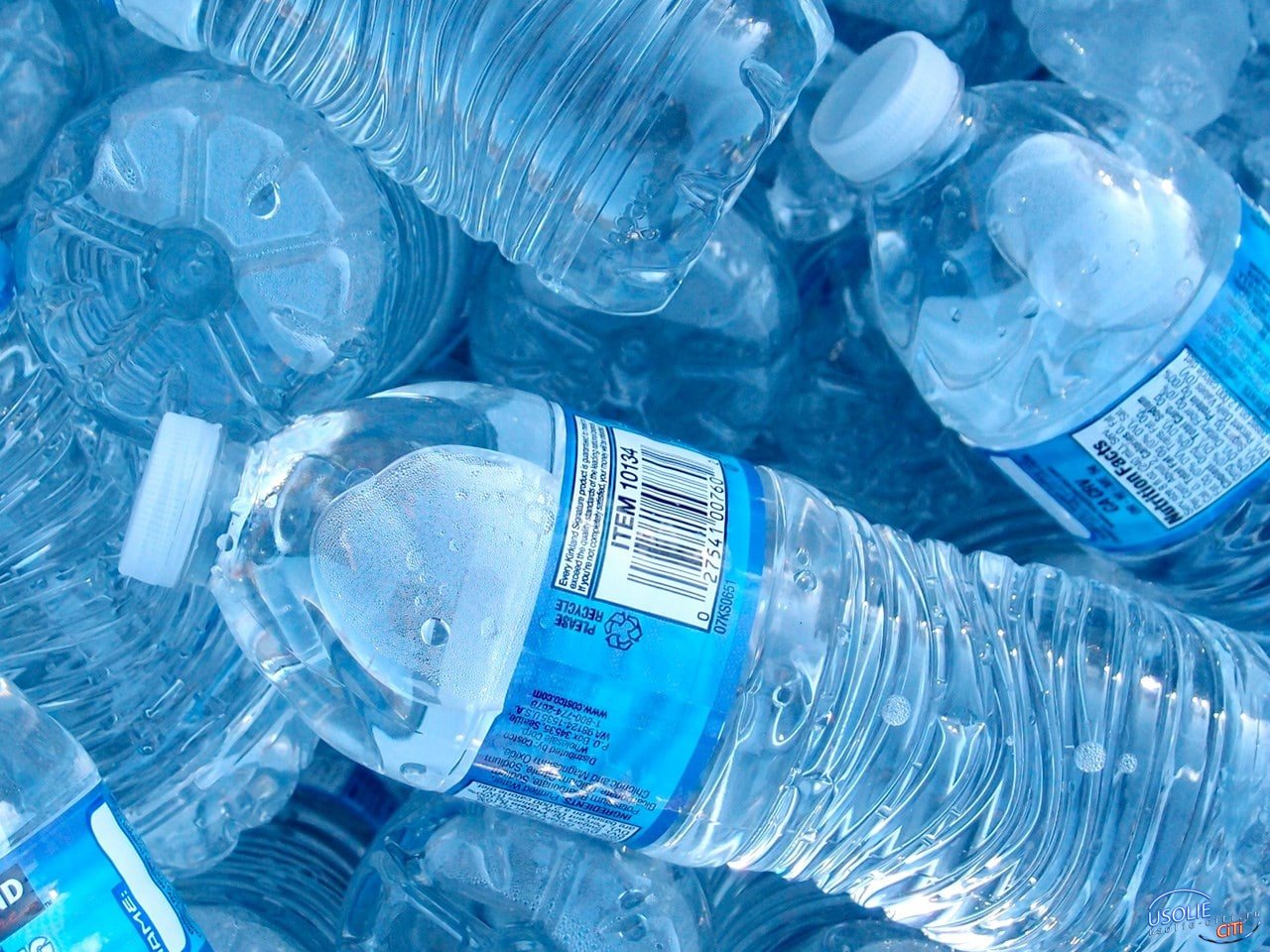
It might be surprising to learn, but the plastic water bottles many of us reach for are filled with more than just water—they come with tiny bits of plastic called microplastics. These particles are so small they’re invisible to the naked eye, yet they’re showing up in popular bottled water brands everywhere. Since bottled water is so widely used, let’s dive into what microplastics are, how they get into our water, what potential health effects they might have, and ways you can cut down on your exposure.
What Exactly Are Microplastics?
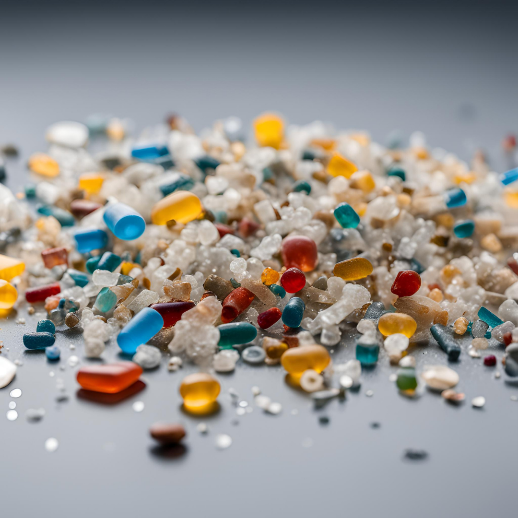
Microplastics are itty-bitty plastic particles that measure less than 5 millimeters across (we’re talking tiny!). These little bits fall into two main categories:
- Primary Microplastics: Made intentionally small, like the microbeads found in some beauty products.
- Secondary Microplastics: Created when larger plastic items—think bags, bottles, and containers—get broken down over time from things like sunlight and everyday wear and tear.
Most microplastics found in bottled water come from this second category, breaking down from the plastic used in the bottle itself, or even the cap.
How Microplastics Get into Bottled Water
Microplastics can make their way into bottled water at multiple points along the way, including:
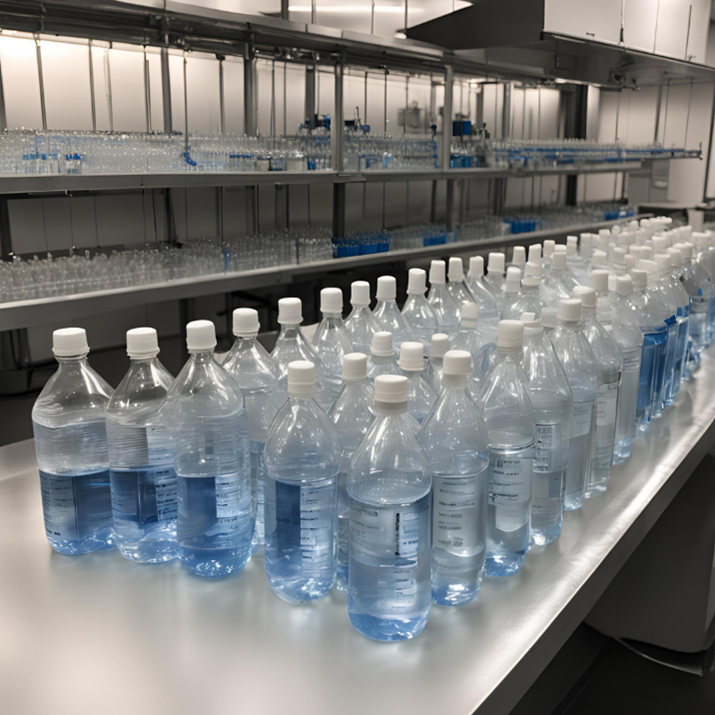
- During Production: The bottle and cap are often made from PET plastic, which can break down and shed particles during manufacturing.
- While Bottling and Packaging: Automated machines filling and sealing bottles can sometimes introduce plastic particles.
- Storage Conditions: Once bottled, water can still pick up microplastics when stored under bright lights or at warm temperatures over time. Sitting in your car, in the window, on a display shelf all possible conditions that can lead to breakdown.
Every one of these steps can add a few extra bits of plastic, leaving some bottled water with a surprising level of tiny particles by the time it hits your mouth.
Just How Much Microplastic is Floating in Bottled Water?
Recent studies have uncovered quite a range of microplastic amounts in bottled water, with one major analysis led by the World Health Organization (WHO) finding microplastic traces in over 90% of the brands tested. Levels differed across brands and even bottle sizes, with some samples showing thousands of particles per liter. This level of plastic pollution in bottled water has quickly caught the attention of health experts and scientists alike, raising questions about how much is safe to consume.
What Are the Potential Health Concerns?
Researchers are still trying to figure out the possible health risks of drinking microplastics, but here’s what’s been discovered so far:
- Digestive Discomfort and Dysbiosis: There’s evidence that microplastics can build up in the digestive system, potentially causing irritation over time.
- Chemical Exposure: Many microplastics carry harmful chemicals, like BPA and phthalates, which could seep into the body.
- Long-Term Health Unknowns: Since the body doesn’t seem to fully break down or absorb these tiny plastic particles, scientists aren’t sure about the long-term impact of microplastic build-up in the system.
Simple Tips to Limit Microplastic Exposure in Your Bottled Water
If you’d like to avoid taking in microplastics whenever you’re thirsty, here are a few steps to help cut back:
- Switch to Filtered Tap Water: A good water filter, especially one that targets microplastic removal, can be a great, simple alternative.
- Opt for Glass or Metal Bottles: Drinks packaged in glass or stainless steel are far less likely to have any plastic particles.
- Don’t Reuse Plastic Bottles: Using plastic bottles over and over can cause them to break down faster, adding to your microplastic intake. Reusable glass or metal bottles are better choices.
- Cut Down on Bottled Water Altogether: The simplest choice is to limit how often you buy bottled water and rely on filtered tap water instead.
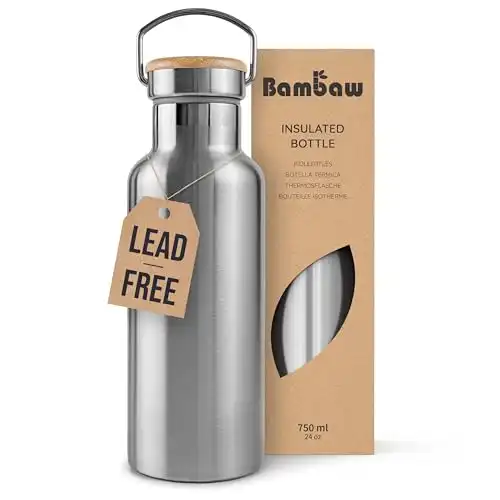
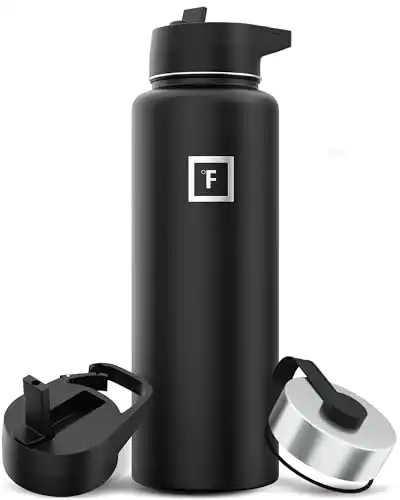
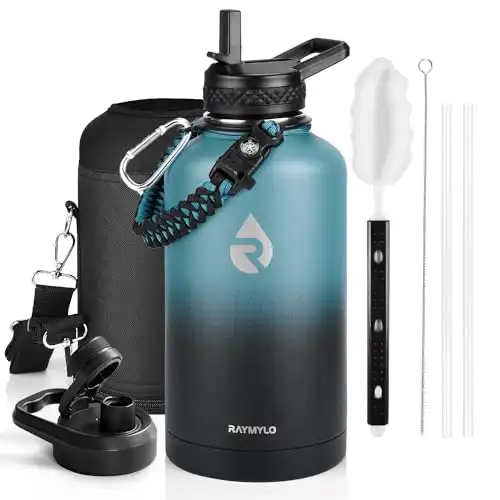
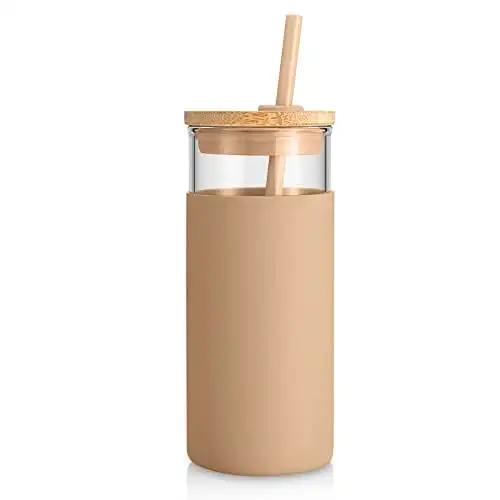
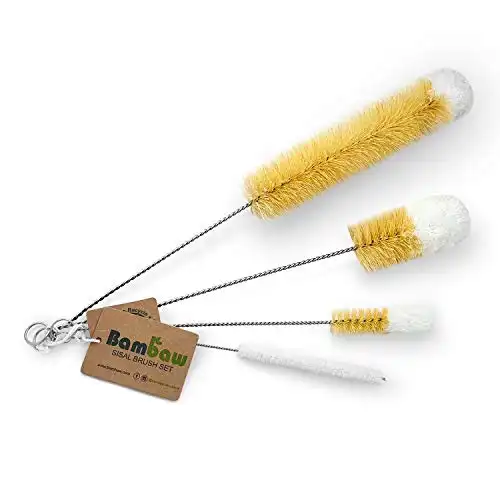
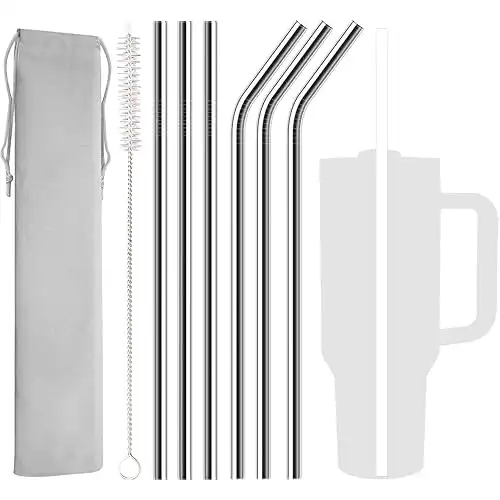
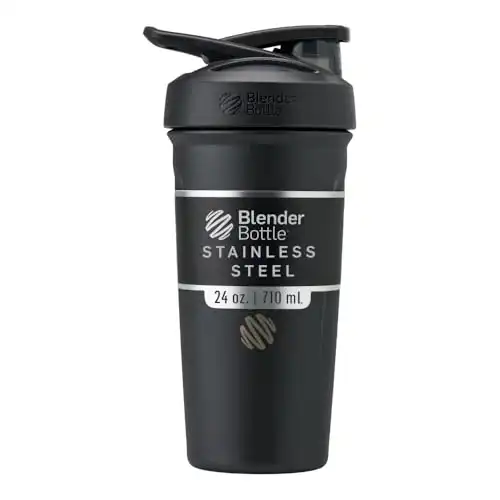
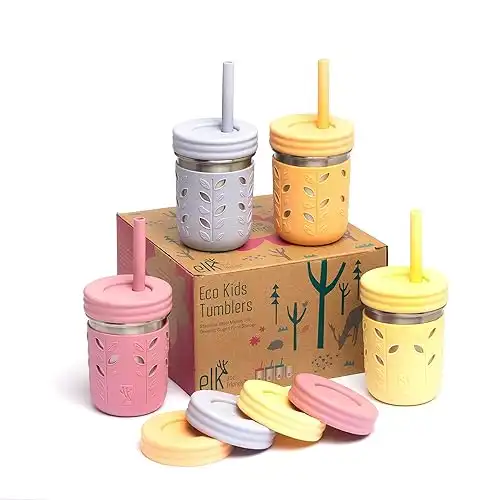
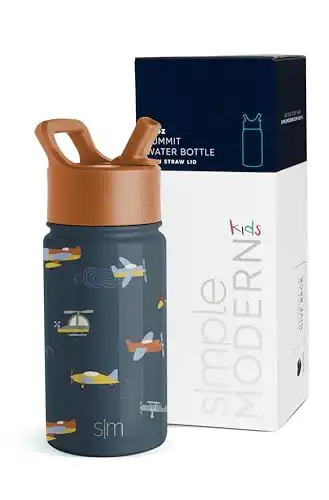
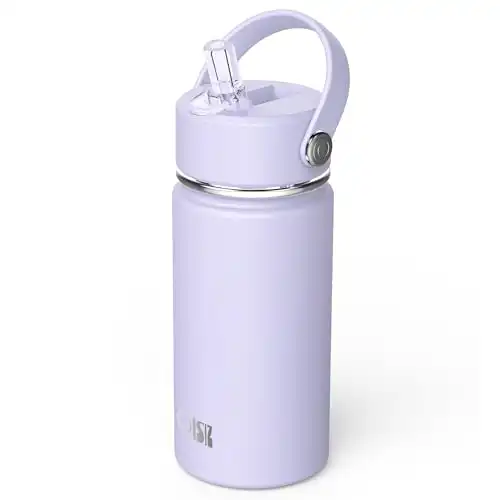

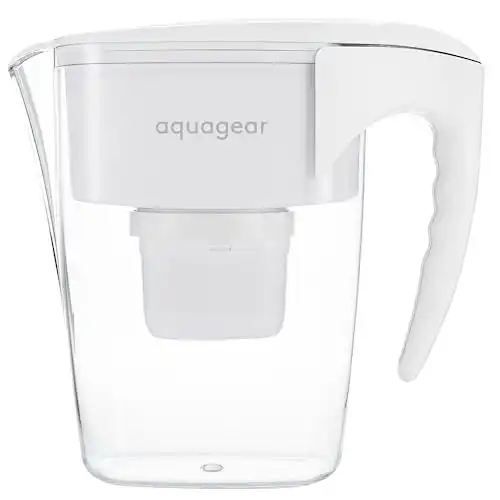
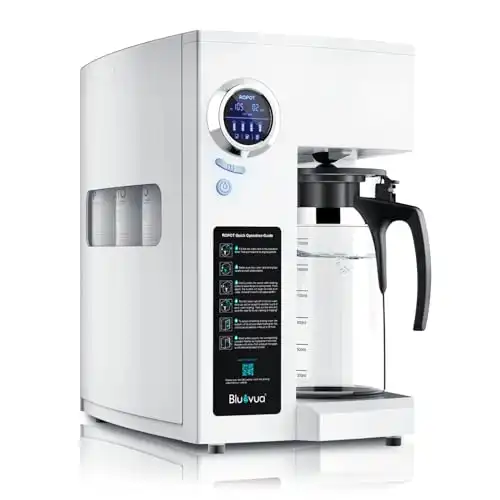
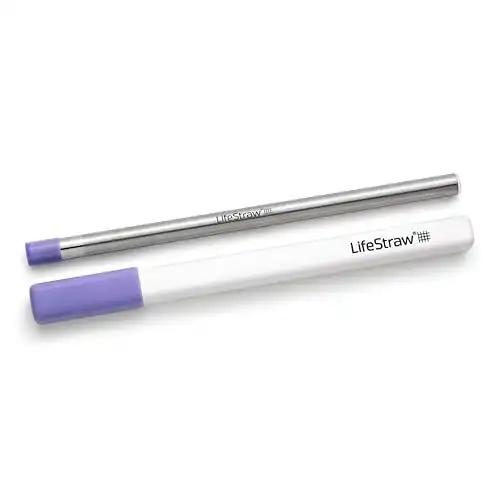
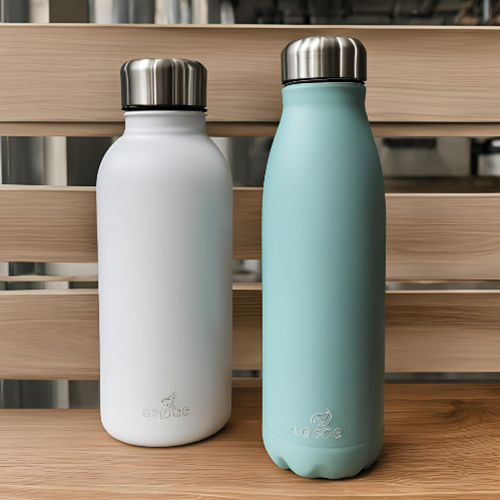
We’ve included some of our top picks here to help you find an alternative that suits you best.
Conclusion
The issue of microplastics in bottled water shines a light on the bigger problem of plastic pollution, especially when it comes to health. By understanding where microplastics come from and knowing how to avoid them in small ways, we can make better choices for our well-being. Whether you choose filtered water at home or decide to reach for a different type of packaging, every little change can help reduce how much plastic we ingest while supporting a cleaner, healthier environment for everyone.
Be sure to check back in with Replace Plastics to learn more, and check out our Top Replace Plastic Products.