
This article may include Amazon Affiliate Links. If you make a purchase through these links, we may earn a small commission—at no cost to you. It’s a great way to support our blog and the work we do at Replace Plastics. Be sure to check out our complete Replace Plastic Top picks here!
Don’t Microwave Your Plastic Containers
If you’re like most of us, you’ve probably microwaved food in plastic containers at some point, or often. But here’s the thing—heating plastic isn’t as harmless as it seems. Microwaving food in plastic containers can release harmful chemicals into your meals, increasing your exposure to toxins and microplastics that can impact your health. Let’s break down why it’s time to ditch the plastic for good when it comes to your microwave.
For more tips on avoiding microplastics and choosing safer alternatives, explore our Top Picks for Stainless Steel, Glass, and Ceramic Storage Solutions.
Microwaving Plastic Is a Health Hazard
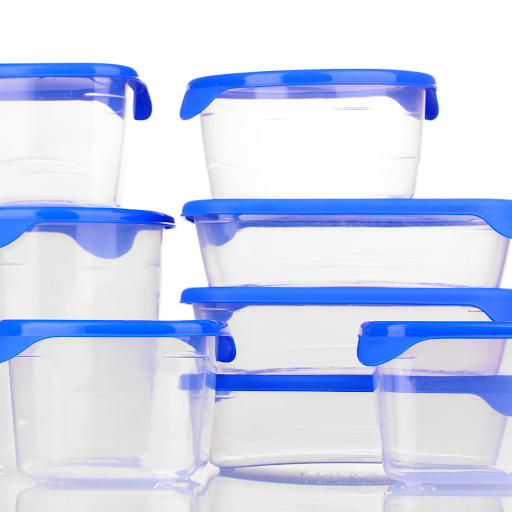
Plastic containers might look sturdy, but they aren’t made to withstand the high temperatures of a microwave. When plastic is heated, it can release chemicals like BPA (bisphenol A) and phthalates, which are used to make plastics flexible and durable. These chemicals don’t just stay in the plastic—they can leach into your food, especially with oily or acidic dishes.
Here’s what’s at risk:
- Hormone Disruption: Chemicals like BPA and phthalates are known as endocrine disruptors. This means they can interfere with hormone function, potentially leading to reproductive health issues, weight gain, and even increased cancer risk.
- Toxins in Your Food: Studies have shown that plastic, especially when heated, can release tiny particles known as microplastics. These microplastics can carry various toxins that may end up in your body over time. These microplastics have been shown to cross the blood brain barrier, and are very challenging to detox from our bodies so they bioaccumulate over time.
- Not All Plastics Are Microwave Safe: While some plastics are labeled “microwave safe,” that only means the container won’t melt or break—not that it’s free of leaching chemicals. Even microwave-safe plastics can release small amounts of harmful compounds when exposed to heat.

Safer, Healthier Alternatives
For a healthier kitchen routine, consider switching to storage solutions made from materials that can handle heat without releasing chemicals:
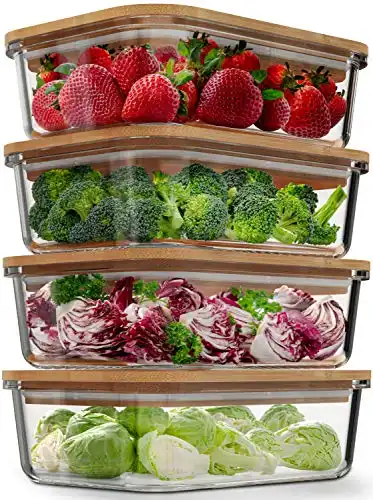
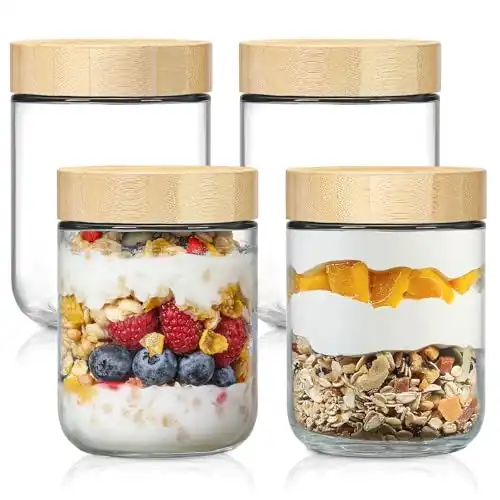
– Glass: Glass containers are naturally non-toxic, won’t leach chemicals, and are safe to use in the microwave, oven, and dishwasher.
– Stainless Steel: While not microwave-friendly, stainless steel is excellent for food storage and keeps items fresh. It’s perfect for packing lunches or storing leftovers.
– Ceramic: Ceramic containers are durable and safe for microwaving, making them a great alternative to plastic.
![[10-Pack] Glass Meal Prep Containers with Lids, MCIRCO Food Storage Containers with Snap Locking Lids, Airtight Lunch Containers, Microwave, Oven, Freezer and Dishwasher](https://old.replaceplastic.com/wp-content/uploads/2025/03/41ZdkMs1ciL._SL500_.webp)
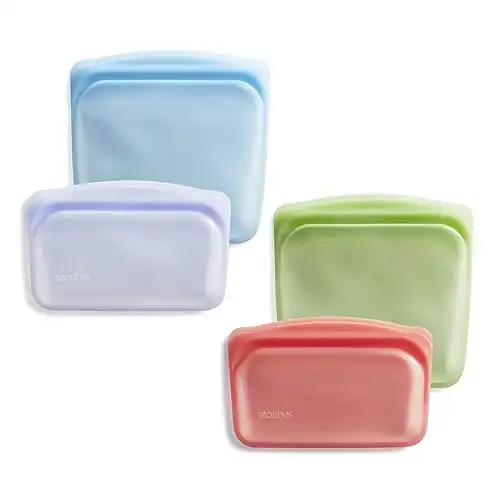

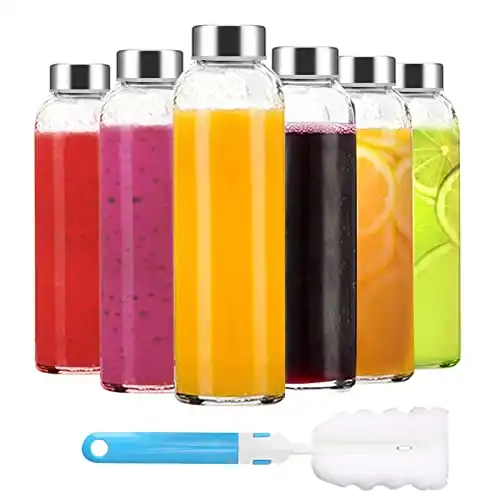


Ready to Upgrade Your Kitchen?
Check out our Top Picks for Stainless Steel, Glass, and Ceramic Storage Solutions to make the switch to safer, more sustainable storage. Small changes like these can have a big impact on your health and the environment!